
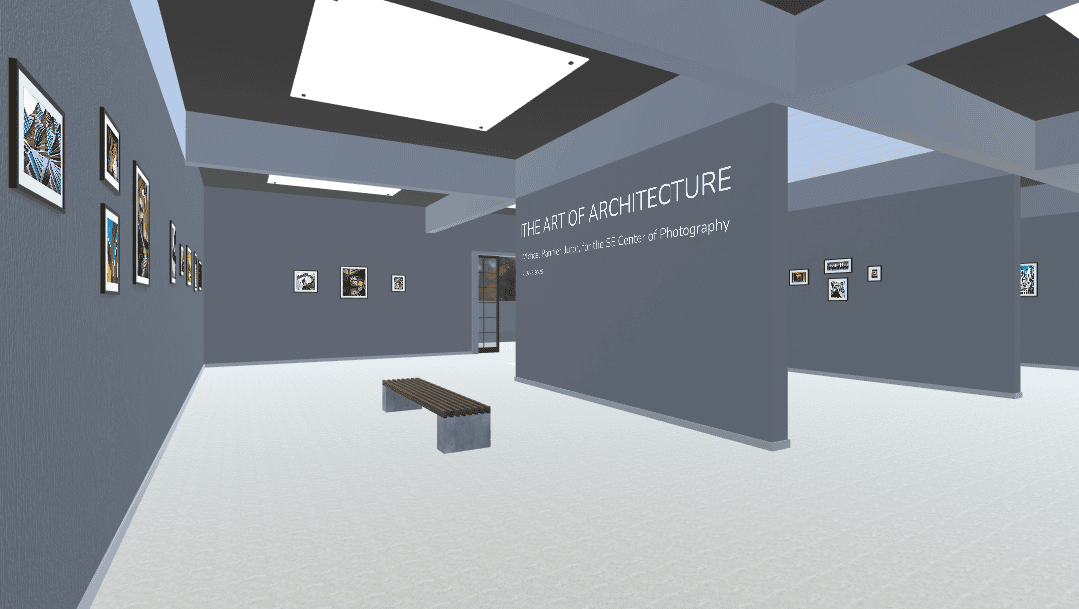
When you're scrolling through calls for entry for photography, it's tempting to skip the virtual-only options. I get it. You picture your work on a white wall, someone sipping cheap wine while nodding thoughtfully at your composition. A screen just doesn't feel the same. But here's the thing: that bias is costing you opportunities that physical galleries simply can't match. Virtual exhibitions aren't a consolation prize. They're a strategic tool, and the photographers who figure that out first are the ones building momentum while everyone else waits for a postcard invitation that may never arrive.
Table of Contents
The Real Reach of a Virtual Gallery (It's Bigger Than You Think)
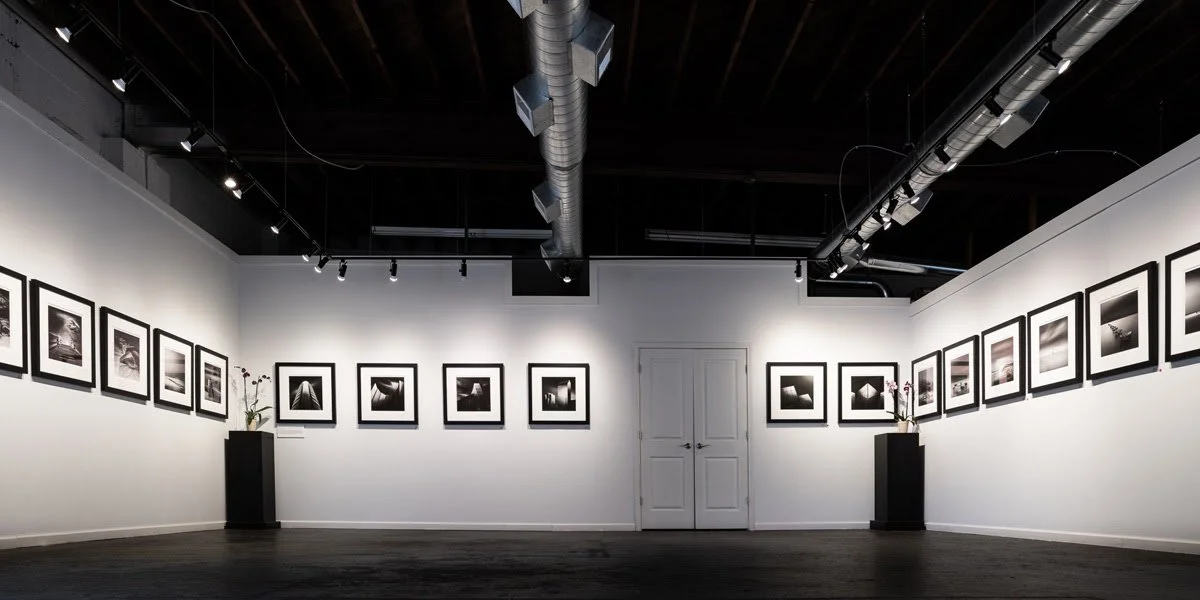
Physical galleries are bound by geography, foot traffic, and a door that locks at 5 p.m. A beautiful space in Chelsea might see a few hundred visitors over a month-long run, most of whom are friends of the other artists. A virtual gallery, by contrast, is open to anyone with an internet connection, at any hour, in any time zone.
Your work stays online long after the opening reception would have ended. That exhibition link becomes an evergreen portfolio piece you can share with editors, curators, and potential buyers for years. When someone asks what you've been up to, you don't describe your work. You send a link. That's powerful.
Virtual exhibitions also travel in ways physical shows can't. They get shared across social media, featured in email newsletters, and picked up by photography blogs. One well-placed repost can put your images in front of thousands of people who never would have walked through a gallery door. And many institutions archive past virtual shows permanently, meaning your submission becomes part of their online collection indefinitely. That's not a one-night event. That's a lasting presence.
Lower Barriers, Higher Accessibility for Photographers
Money matters, especially for emerging photographer. No shipping prints across the country. No framing costs. No insurance headaches. Your digital files do all the heavy lifting, which means you can submit to a call in California, another in New York, and a third overseas without spending a dime on logistics. Virtual calls also tend to have shorter turnaround times. You submit, you hear back, and if accepted, your work is live within weeks rather than months. That faster feedback loop keeps your momentum going.
This format is especially valuable if you live outside major art hubs. You don't need to be in Brooklyn or Los Angeles to get your work seen by serious curators. Virtual galleries level the playing field, and jurors know it. They're judging the image on their screen, same as everyone else.
What Judges and Curators Are Actually Looking For
Speaking of jurors: virtual exhibitions shift the emphasis in ways that often benefit thoughtful photographers. Without the seduction of a gorgeous print on fine art paper, jurors focus on concept, composition, and visual impact. Your idea has to carry the weight, and that rewards photographers who think deeply about what they're making.
Many virtual calls are themed, which gives you a clear creative constraint to work within. Whether the prompt is "VISAGE: Portraiture" or something more conceptual, a strong theme helps you curate your submission with intention. Curators notice when your images speak to each other and to the call's premise.
They also notice professionalism. Following submission guidelines precisely, nailing the file size and naming conventions, writing a concise artist statement that actually says something. These details signal that you're serious, and that matters whether the gallery exists in a building or in a browser tab. A sloppy submission undermines strong work every time.
Virtual Galleries Build Real Career Credibility
Let's address the elephant in the room: does a virtual exhibition credit even count? Yes. Unequivocally.
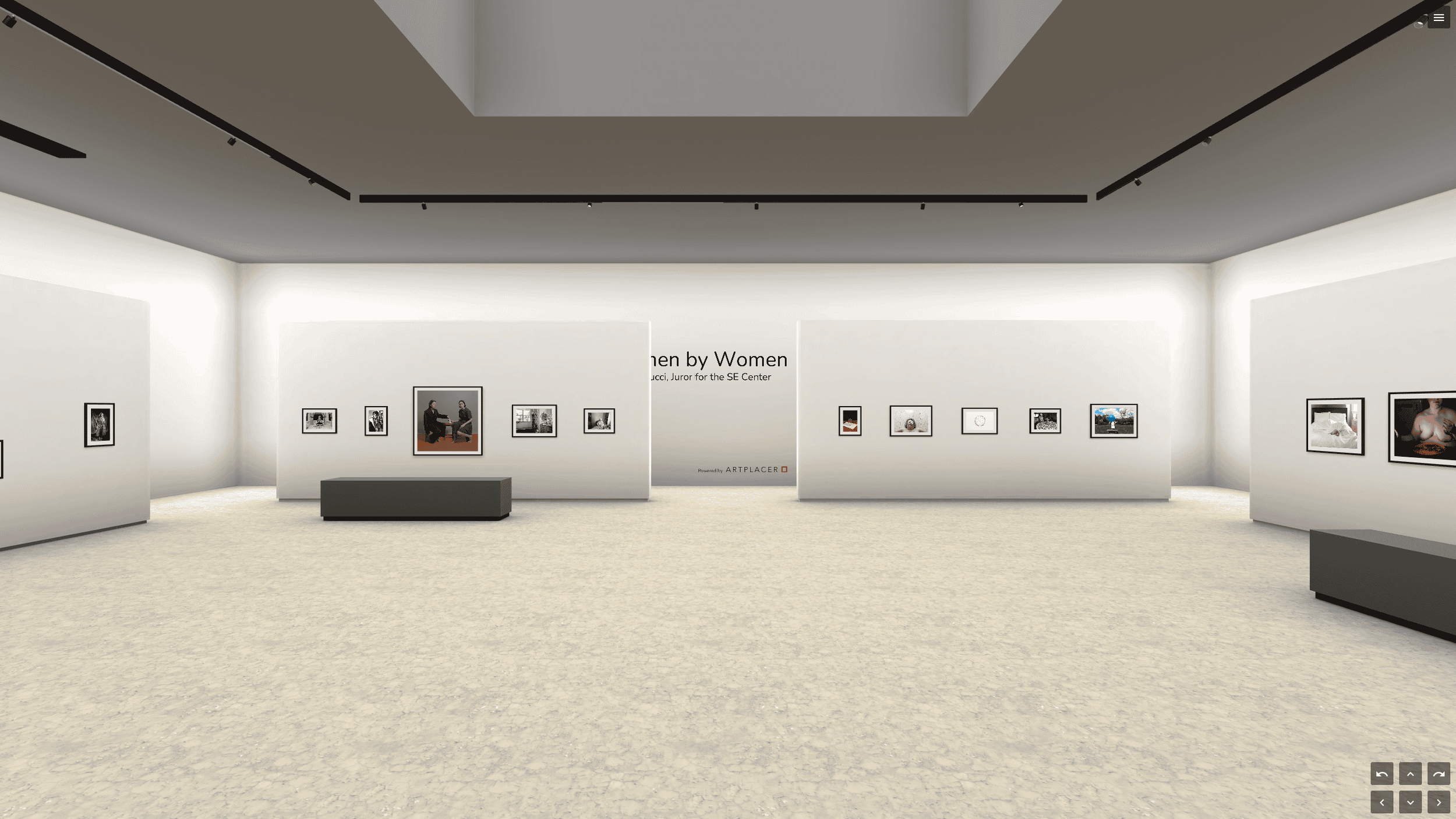
Exhibition credits from respected institutions like the Griffin Museum of Photography or the SE Center for Photography carry real weight on grant applications, residency proposals, and your CV. These organizations run juried shows with competitive selection processes. The fact that the exhibition happens online doesn't diminish the achievement. It documents it.
Virtual exhibitions can also lead to the same tangible outcomes as physical shows: acquisition opportunities, cash awards, Director's selections, and solo exhibition invitations. Many photographers use a string of virtual acceptances as proof of concept, building a track record that catches the attention of gallerists and publishers. When a future juror sees that other curators have already vetted and validated your work, they're more likely to take your submission seriously. Success builds on success, and virtual shows are a legitimate part of that ladder.
How to Find Legitimate Calls for Entry (and Avoid Scams)
Not every call is worth your time or your entry fee. The good news is that spotting legitimate opportunities isn't hard once you know what to look for.
Stick with established organizations that have a track record. Museums, non-profits, and recognized photography centers are safer bets than random Instagram accounts soliciting submissions. Check whether the call lists a specific juror with a verifiable bio. If the judging panel is anonymous or vague, that's a red flag.
Read the fine print on image rights. Reputable calls ask for permission to display your work in the context of the exhibition only. They don't demand perpetual commercial rights or the ability to license your images without compensation. If the terms feel grabby, walk away.
Aggregators like CallForEntries.com and CaFÉ are useful discovery tools, but always cross-reference what you find with the host organization's own website. A legitimate call will be listed in both places with consistent details.
The SE Center for Photography runs curated virtual calls year-round with transparent submission guidelines, named jurors, and clear exhibition outcomes. That's the kind of clarity you want before you click submit.
Your Next Step: Submit to a Virtual Call Today
Stop waiting for the perfect physical gallery opportunity to materialize. Virtual calls are happening right now, with real deadlines and real career benefits attached.
Put together a strong submission package: five to ten cohesive images that demonstrate a clear point of view, a concise artist statement that adds context without over-explaining, and a bio that highlights what makes your perspective distinct. Keep it tight. Keep it professional.
Then visit the SE Center Calls Page to browse current open calls. You'll find themed exhibitions, juried shows, and opportunities suited to every career stage. Pick one that resonates, set a deadline reminder, and submit. Early submissions often get more careful consideration, and the best calls fill their rosters quickly. Your work deserves to be seen. A virtual gallery is a very good place to start.